
The Life of Martha Ballard: Her Diary and Legacy
When I first stumbled upon the story of Martha Ballard, I was immediately drawn to her unique place in history. She was not just a midwife and healer in the late 18th and early 19th centuries; she was a woman whose daily life and work were meticulously recorded in a diary that has become a priceless window into early American healthcare. For those of us interested in herbalism and nursing, Martha’s story offers both inspiration and practical insight into the roots of holistic care.
The Life of Martha Ballard: A Nurse and Herbalist Ahead of Her Time
Martha Ballard lived in Hallowell, Maine, during a time when medical care was largely home-based and deeply intertwined with nature. She was a midwife, healer, and community caregiver who used herbal remedies alongside her nursing skills. Her life was demanding, filled with births, illnesses, and the everyday challenges of rural life. Yet, she documented it all with remarkable detail.
What fascinates me most is how Martha’s work reflects the early integration of plant-based care into nursing practice. She didn’t just deliver babies; she treated wounds, managed fevers, and provided comfort using herbs and natural remedies. This approach resonates deeply with the modern movement to revitalize nurse herbalism, blending traditional nursing with botanical knowledge.
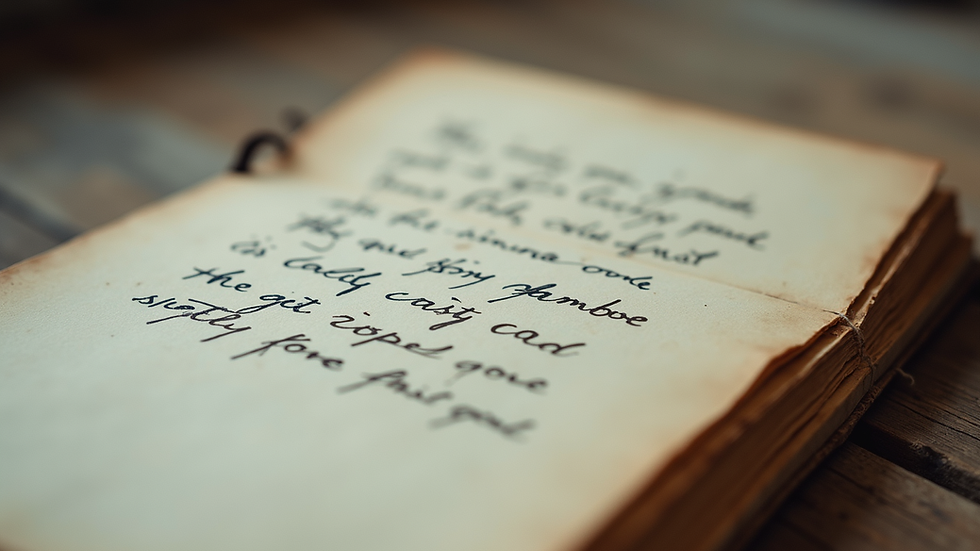
Her diary, which spans over 27 years, is a treasure trove of information. It reveals the rhythms of her work, the challenges she faced, and the community she served. For anyone interested in continuing education in herbalism, Martha’s life is a powerful reminder of the enduring value of combining nursing with plant-based care.
Understanding the Context: The Life of Martha Ballard in Early America
To truly appreciate Martha Ballard’s contributions, it’s important to understand the world she lived in. Healthcare in the late 1700s and early 1800s was vastly different from today. There were no hospitals nearby, and doctors were scarce. Midwives like Martha were essential, often the only healthcare providers available, tirelessly working autonomously for their communities.
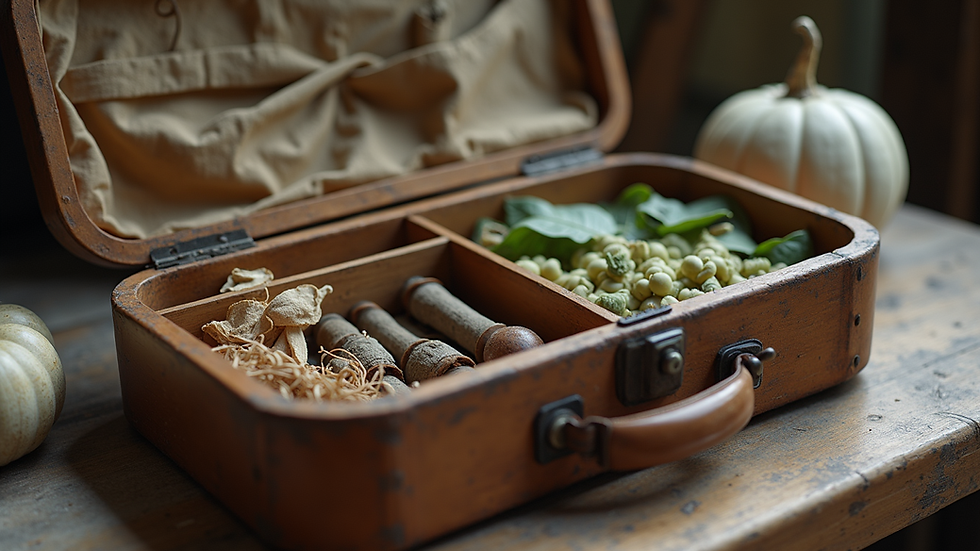
Her daily routine was grueling. She traveled on foot or horseback, sometimes in harsh weather, to assist with births or care for the sick. Her diary entries often mention the herbs she used, such as willow bark for pain relief or chamomile for calming fevers. These natural remedies were not just tradition; they were effective tools in her nursing toolkit.
What strikes me is how Martha’s work embodies the holistic approach we strive for today. She treated the whole person, not just symptoms. This perspective is exactly what modern nurse herbalists aim to reclaim and expand upon through specialized education and practice.
What is the Movie Based on Martha Ballard?
You might be wondering if Martha Ballard’s story has reached popular culture. Indeed, it has. The 1990 film A Midwife’s Tale is based on the book by Laurel Thatcher Ulrich, which itself is a detailed study of Martha’s diary. The movie brings to life the challenges and triumphs of Martha’s daily work, highlighting her resilience and dedication.
Watching the film, I was moved by how vividly it portrays the blend of nursing and herbalism in early American life. It’s a reminder that the roots of holistic care run deep, and that the integration of natural remedies with nursing is not a new idea but a revival of a long-standing nursing tradition.
For nurses seeking to expand their knowledge in herbalism, the movie and the book offer both historical context and inspiration. They show how one woman’s commitment to her community and her craft can leave a lasting legacy. This is why I’m so passionate about making nurse herbalism a valid nursing specialty within our profession.
The Significance of the Martha Ballard Diary in Modern Nursing and Herbalism
The martha ballard diary is more than just a historical document. It’s a guidebook for understanding early nursing practices and the use of herbal medicine in patient care. For those of us in nursing education, especially with a focus on herbalism, it offers practical lessons and inspiration.
Here are some key takeaways from Martha’s diary that can inform modern practice:
Detailed Record-Keeping: Martha’s meticulous notes remind us of the importance of documentation in nursing. I also always stress the importance of utilizing the nursing process. The nursing process provides a structured approach to patient care that protects nurses across various specialties by ensuring they follow a standard of care that is both effective and legal. Accurate records help track patient progress and treatment effectiveness.
Holistic Care: She treated physical symptoms and emotional needs, showing the value of empathy and comprehensive care.
Herbal Remedies: The diary lists many plants and their uses, providing a historical foundation for herbal nursing education.
Community Trust: Martha’s role was built on relationships and trust, a vital component of effective healthcare.
For nurses interested in herbalism, studying Martha’s diary can deepen understanding of how plant-based care complements conventional nursing. It encourages us to blend scientific knowledge with traditional wisdom, creating a richer, more effective approach to patient care.
Bringing Martha Ballard’s Legacy into Today’s Nursing Practice
As someone passionate about nurse herbalism, I see Martha Ballard’s legacy as a call to action. We have the opportunity to lead a revolution in healthcare by integrating herbal knowledge with nursing skills. This means developing continuing education programs that teach nurses how to safely and effectively use plant-based remedies alongside modern treatments.
Here are some practical steps to honor Martha’s legacy in your nursing practice:
Explore Historical Texts: Start by reading the martha ballard diary and related materials to understand the roots of herbal nursing.
Pursue Specialized Education: Look for courses that combine nursing with herbalism, focusing on evidence-based practices.
Incorporate Herbal Care Thoughtfully: Use herbs as complementary treatments, always considering patient safety and current medical guidelines.
Advocate for Holistic Care: Promote the integration of herbalism in healthcare settings to improve patient outcomes.
Build Community Connections: Like Martha, develop trust and rapport with your patients to provide personalized care.
By following these steps, nurses can help create a new standard of holistic patient care that honors the past while embracing the future.
Embracing the Spirit of Martha Ballard in Modern Healthcare
Reflecting on Martha Ballard’s life, I feel a deep connection to her dedication and compassion. Her story reminds us that nursing is not just a profession but a calling to care for others with skill and heart. The integration of herbalism into nursing is a natural extension of this calling, offering new ways to heal and comfort.
As we move forward, let’s keep Martha’s spirit alive by continuing to learn, adapt, and innovate. Her diary is more than a historical record; it’s a beacon guiding us toward a more holistic, patient-centered approach to healthcare. Together, we can build on her legacy and lead the way in nurse herbalism, transforming the future of nursing for the better.
If you’re ready to explore this path, start by diving into the rich history and practical wisdom found in the martha ballard diary. It’s a journey worth taking for anyone committed to holistic nursing care.
~ Karen


Comments